
I stumbled into category management in 1992, reluctantly and knowing absolutely nothing about it. Three decades later, I think it remains one of the most genuinely interesting and genuinely difficult jobs in the industry. Here’s why.
Key Takeaways
- Category management means balancing three agendas at once — your brand, your retailer, and the shopper. The shopper is too often the silent one, and ignoring them weakens everything else.
- Growing the category beats fighting over it — competing purely on price and promotional spend is a race to the bottom. The real competitive advantage is making the whole cake bigger.
- Shopper data is what turns suppliers into trusted advisors — showing up with objective evidence about shared shoppers changes the retailer conversation from negotiation to genuine strategic partnership.
Table of Contents
- Squaring Three Circles at Once
- The People Who Don’t Get It and the Alternative
- What the Shopper Changes About Everything
Category management was a brand new idea in 1992. I was a marketing manager when I was asked to move into national accounts, the thinking being that “marketers understand data”. I was the first person in my company to make that kind of move, and I’ll be honest, few marketers back then saw sales as a career enhancer. (I hope that’s changed now!)
But something happened almost immediately that stuck with me. I found myself talking to my buyer about what our shoppers actually want, which was completely natural for someone coming from marketing rather than simply pitching a new product or a run-of-the-mill promotion. That shift in the conversation opened all sorts of doors that hadn’t been open before. The relationship changed. The quality of what we could do together changed. And I was hooked.
Squaring Three Circles at Once
At the heart of what makes category management fascinating and genuinely hard, is that it requires you to square not one but three circles simultaneously.
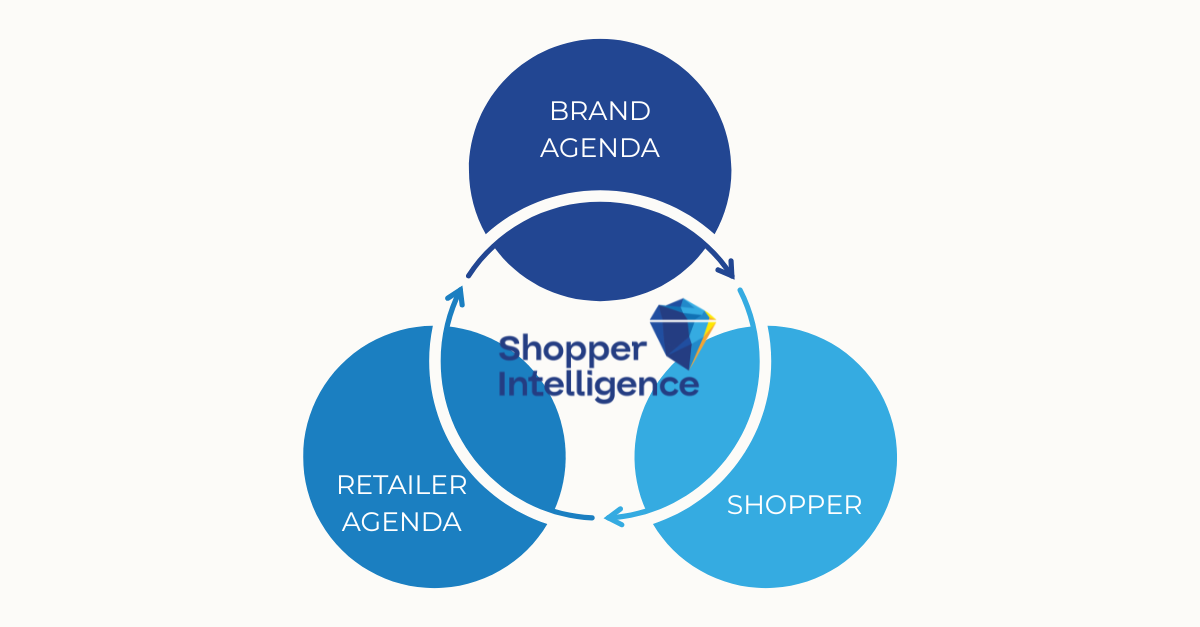
You have your company’s brand agenda. All-consuming, all-powerful, as anyone who has worked inside a CPG business knows well. Then you have your retailer’s agenda. Also all-consuming, also all-powerful, and not always pointing in the same direction as yours. And then there is the shopper, what your mutual customer actually wants and does when they’re standing in the aisle making a decision.
That third circle is, too often, the silent one.
These three forces don’t simply fall together. They have to be nurtured, cajoled. It requires strong insights and a platform of evidence — particularly when you need to persuade others to align.
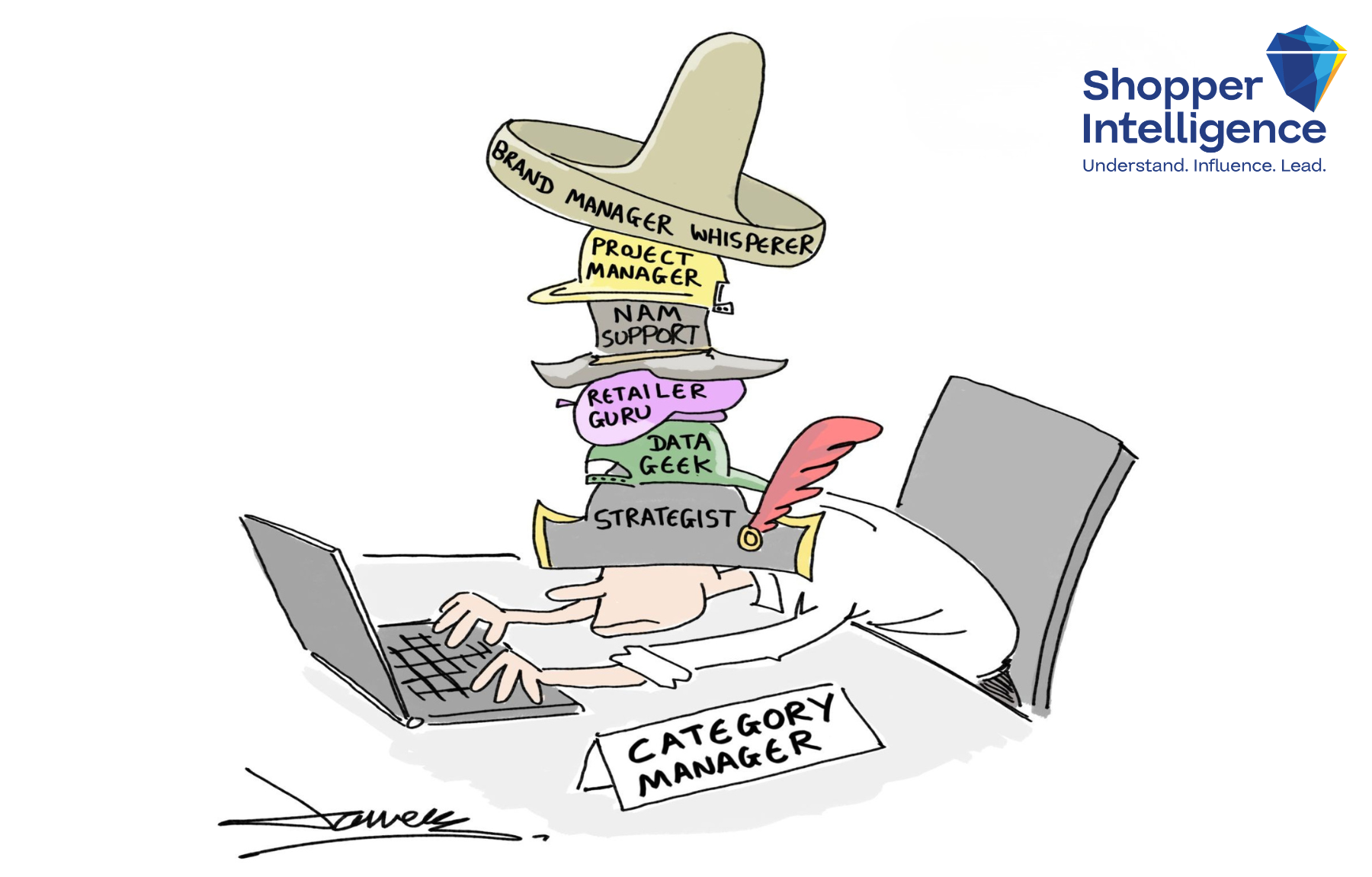
This is not a job where you can wait for the right project to land in your lap. You have to be a champion of the category agenda and actively influence your own business to bring forward plans that are category-led, or at least category-appropriate. At the same time, you are building a relationship with your buyer as a trusted advisor. That takes time to create and is easy to lose. And tacking a limp category story onto a proposal that was never category-led in the first place rarely fools anyone.
The People Who Don’t Get It and the Alternative
I still meet people who don’t really get the category management agenda. And honestly, that’s fine. There’s always the alternative route, which normally involves writing retailers large cheques. I can see that sometimes it’s a faster and more certain path to an immediate sales number.
But here’s the thing. Growing the overall category makes everyone’s objectives easier to meet. Competing purely on cash because anyone can play that game, is usually a race to the bottom. It was no accident that P&G and Walmart essentially invented modern category management together back in the early nineties. They understood that growing the cake is a better game than fighting over the same-sized slices.
The competitive advantage hiding in plain sight
Category management, done well, is a genuine source of competitive advantage. Not a support function. Not a data exercise. A strategic capability that changes the nature of the supplier-retailer relationship and the quality of the decisions that flow from it.
What the Shopper Changes About Everything
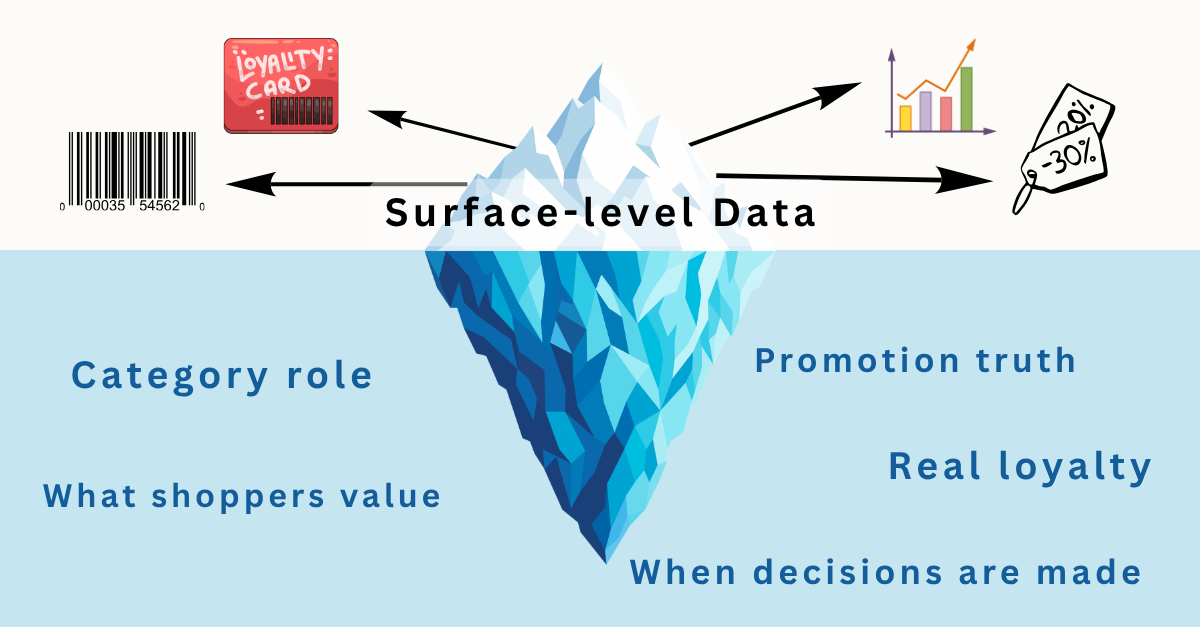
One of the things I noticed early and it’s something we built the entire Shopper Intelligence platform around is that the shopper voice was almost always the missing piece. Brands had brand data. Retailers had transaction data. But what the shopper was actually thinking, what they cared about, what triggered their purchase, what would make them switch or walk away was largely a matter of opinion and assumption.
It seemed obvious to me that if you want to have a genuinely compelling conversation with a retail buyer, one that goes beyond price and promotion and into something they actually find useful, you need to show up with objective evidence about the shopper you share. Not your opinion of what they want. What they actually said, at scale, in their own words.
That’s what changes the relationship from vendor to trusted advisor. And it’s what makes category management, when it’s done properly, one of the most interesting and impactful roles in the industry.
After thirty years, I’m still fascinated. How do you see the role of category management today?
- Written by Roger Jackson, founder of Shopper Intelligence and a category management practitioner since 1992.