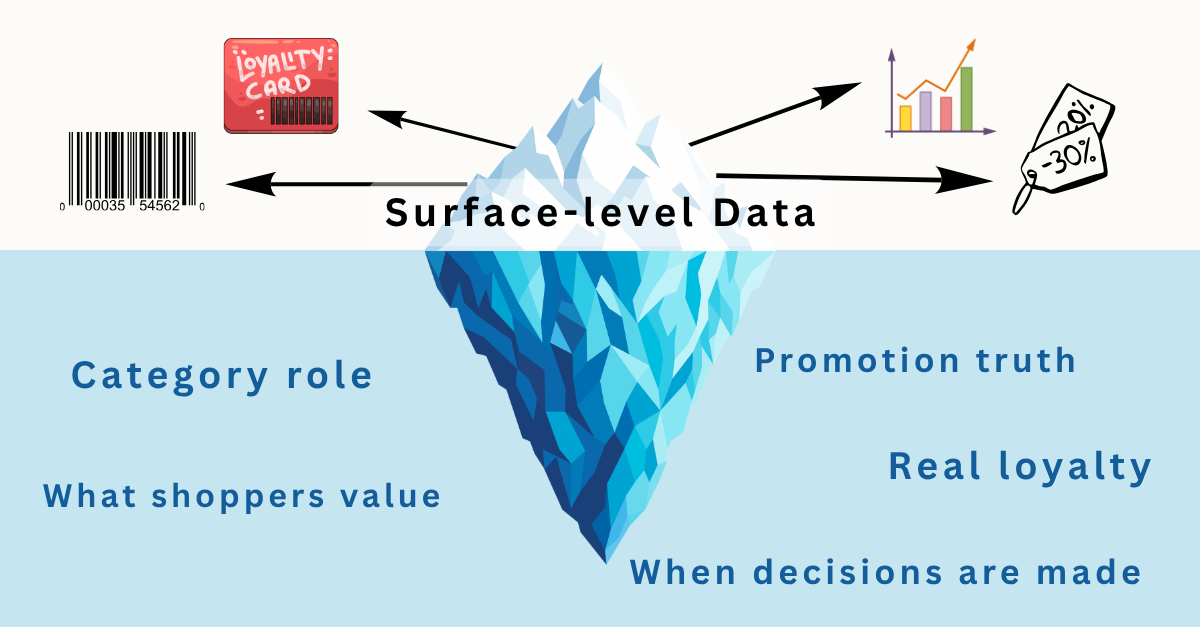

Scan data and loyalty cards show you what sold. What they do not show is why it sold, or what the shopper was considering at the moment they chose to buy. That is the gap Shopper Intelligence fills, and it changes the quality of your decisions.
Key Takeaways
- Scan data shows what sold — not why — understanding the decision behind the purchase is what actually improves your strategy.
- Every category has a job in-store — knowing whether yours drives traffic or drives spend changes how you make the case to retail buyers.
- Shopper priorities aren’t what you assume — measuring what shoppers genuinely value across 18 KPIs gives you a far stronger starting point than intuition or past campaign performance.
- Promotions that look like they’re working often aren’t — knowing whether a deal drove switching, extra volume, or just discounted a purchase that was happening anyway is the difference between spend that works and spend that wastes margin.
- Loyalty levels should shape your ranging decisions — in high-loyalty categories, delisting the wrong product doesn’t just lose a sale, it can lose the shopper entirely.
Table of Contents
- The role your category actually plays in the store
- What shoppers in your category actually care about
- When and why the decision to buy was made
- Whether your promotions are actually doing anything useful
- How loyal your shoppers really are and what that means for your ranging decisions
Our platform is a large scale, survey based database that measures categories and retailers directly through shoppers’ input. Not through transaction data or proxy signals, but through the people actually making the purchase decisions. That gives you a level of insight you simply cannot get elsewhere. Here are five examples.
Unique insight 01
The role your category actually plays in the store
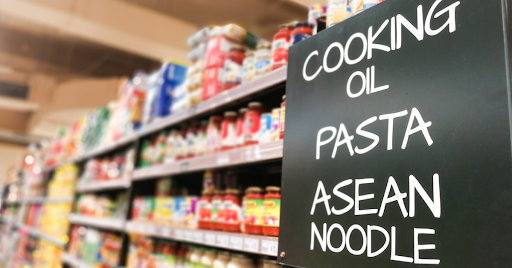
Every category has a job to do in a retail environment. But most brands and retailers are guessing at what that job is. We measure it directly from shoppers, and we benchmark it against every other category in the store, so you know exactly where yours sits relatively speaking.
The most fundamental question here is whether your category is better at driving traffic into the store or better at driving spend once shoppers are already there. Those two roles have very different implications for how a retailer values your category and how you should be making the case for it. When you walk into a conversation with a retail buyer, this is the kind of hard evidence that changes the dynamic.
Unique insight 02
What shoppers in your category actually care about
Before you decide what to do with your category or your brand, you need to know what your shoppers genuinely value. Not what you think they value. Not what performed well in last year’s campaign. What they actually care about when they’re standing in the aisle making a decision.
We measure how shoppers rate 18 key performance indicators across the things that matter most to them, price, choice, health, innovation, and more. And because we benchmark those ratings against all other categories, you can see clearly what matters more for your particular shopper versus the norm. That’s a very different starting point for a category strategy than intuition or sales data alone.
Scan data tells you what sold. Shoppers tell you why, and that changes everything about how you plan.
Unique insight 03
When and why the decision to buy was made
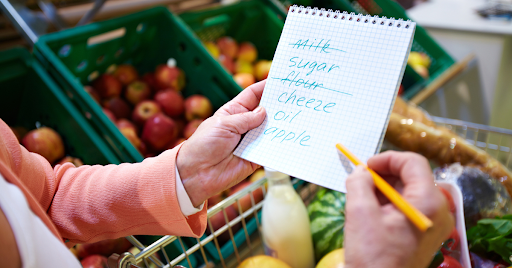
If you know when a purchase decision happens and what triggered it, you can do something about it. If you don’t, you’re spending marketing budget without really knowing where in the journey it’s landing.
We ask shoppers directly: when did you decide to buy this, and what set that in motion? Was the decision made at home before the trip began, or did something in the store spark it? Was it a promotion, a display, or just the product catching their eye on the shelf? The answers tell you where your influence actually sits and where it doesn’t.
Unique insight 04
Whether your promotions are actually doing anything useful
You know what you sold on the deal. You can look at history and see which promotions appeared to drive more volume. What you can’t know from that data alone is what the shopper was actually doing when they bought on promotion.
We can. We ask shoppers who bought on deal whether they switched from something else, bought more than they normally would have, or had simply been waiting for their preferred brand to go on offer. That last one is particularly important, a promotion that rewards a purchase that was going to happen anyway isn’t growing your category, it’s just giving margin away. Knowing the difference is the difference between promotional spend that works and promotional spend that looks like it works.
The question worth asking
When a shopper buys on promotion, are they buying more than they otherwise would have or just buying their usual item at a discount? The shopper knows. Scan data doesn’t.
Unique insight 05
How loyal your shoppers really are and what that means for your ranging decisions
Is your category one where shoppers will pick up whatever’s available, or one where they’ll walk away empty-handed if their preferred product isn’t on shelf? That distinction matters enormously, and it has implications in both directions.
High-switching categories, where shoppers are flexible about what they pick up are good territory for innovation and conversely also for range rationalization. There’s room to change without losing the shopper. Low walkaway categories are a different story. When shoppers are that loyal to a specific product, ranging decisions carry real risk. Delist the wrong item and you don’t just lose a sale, you potentially lose a customer who matters to the store. Knowing which type of category you’re managing changes how confidently you can make those calls.
All five of these insights come from the same source: shoppers telling us directly what they thought, what they did, and why. That’s data that doesn’t exist in a scan panel or a loyalty card database, because those systems record transactions, not decisions.
And here’s a final overall point. Yes, we can tell you the ‘norm’ for your categories. But even more powerfully with our huge sample we can dig into different segments of the category and different types of shoppers. There is no need to build a one size fits all strategy anymore.